Strabismus is a condition where the eyes are not aligned. This may result in poor binocularity, double vision or an abnormal appearance. Surgery for strabismus is a procedure to improve eye alignment by adjusting the muscles around the eye that move it.
Depending on the cause of the strabismus, the aim of strabismus surgery is:
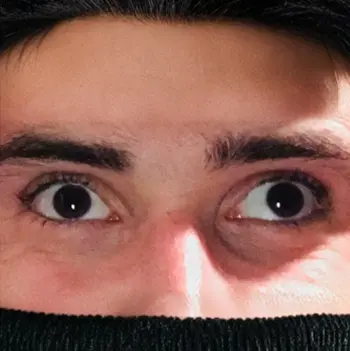
To improve eye alignment and appearance

To improve binocular function and depth perception (in select cases)
To reduce or eliminate double vision (if present)
A) Pre-operative assessment
Eye Examination
A thorough eye exam including assessment of eye alignment will be performed
Multiple Visits

More than 1 visit will be required to ensure stability prior to surgery
Surgery Consultation

Your surgeon will discuss the goals, expectations and any concerns of the surgery
Imaging Tests
Imaging (MRI and CT scans) may be required prior to surgery
B) Precautions to take before surgery
Fasting Guidelines

Fasting instructions will be given depending on time of surgery
Medical Info

Inform doctor on existing medical conditions, allergies and medications.
Feeling Unwell
Inform clinic if you are feeling unwell prior to surgery
Contact Lenses
Stop wearing contact lenses for a few days prior
There are different surgical techniques depending on the type of strabismus, however:
- Strabismus surgery is typically done under general anaesthesia (completely asleep). Occasionally it can be done under sedation in select cases
- There will be NO incisions made on the skin. Surgery is performed via an incision through the conjunctiva (the clear covering over the white part of the eyeball)
- The eye muscles will be adjusted (weakened, strengthened and/or repositioned on the eyeball) depending on the type of strabismus.
- Absorbable sutures will be used in most cases and will dissolve in 2-3 months without requiring removal. Non-absorbable sutures may be used in some select cases
- In some cases, adjustable sutures may be used to fine-tune the eye alignment after surgery. This is done a few hours after surgery with the patient awake
- The conjunctival incision is closed with absorbable sutures, and these will dissolve in 2-3 weeks
- Under or over-correction- different people respond differently to a given amount of muscle adjustment, so there is always a chance of under or over-correction
- There is a chance of recurrence, and this can vary from a few months to years after the initial surgery, hence further surgery or re-operation in the future may be required
Less commonly encountered:
- Diplopia (double vision): If present prior to surgery, it may persist or may develop after surgery. If persistent, further treatment (e.g. with prisms, further surgery) may be required
- Slipped or lost muscles: When the eye muscles slip and become detached from the eyeball, further surgery/ imaging may be required to rectify the issue
- Globe injury: This may result in bleeding or retinal injury. Usually this is self-limiting but rarely additional treatment/ surgery may be required
- Infection can occur around the wound site or within the eye socket. This may require treatment with systemic antibiotics. In rare cases, it can be severe and result in loss of vision
- Some bleeding at the wound site is common and can cause redness of the eyes after surgery. Rarely, excessive bleeding in the eye socket can result in loss of vision
- A follow-up visit is usually scheduled within a few days to 1 week after surgery, then 2-4 weeks after. Subsequent follow up will depend on recovery.
- Additional visits may be needed to monitor healing and eye alignment.