Dr Ang Beng Chong
Ophthalmologist
Founding Partner and Senior Consultant
MBBS(S'pore), FRACS, FRCS(Edin), FAMS
Every year, eye specialists around the world observe World Glaucoma Week to raise awareness
about one of the leading causes of irreversible blindness. This condition is called
Glaucoma, and it is often referred to as the “silent thief of sight”. The nickname may sound
dramatic, but it reflects a very real problem.
Glaucoma usually develops slowly and quietly, often without noticeable symptoms in its early
stages. By the time changes in vision appear, significant damage may already have occurred.
For many people in Singapore who lead busy lives, eye health may not always be a top
priority. However, understanding glaucoma and recognising its risks can help you take steps
to protect your eyesight before problems arise.
What Exactly Is Glaucoma?
Glaucoma refers to a group of eye conditions that damage the optic nerve, the structure
responsible for transmitting visual information from your eye to your brain. When this nerve
becomes damaged, your ability to see clearly can gradually deteriorate.
In many cases, glaucoma is linked to increased pressure within the eye, known as intraocular
pressure. This pressure builds when the fluid inside the eye does not drain properly. Over
time, the strain may injure the delicate nerve fibres that support vision.
There are several types of glaucoma, but the most common form is primary open angle
glaucoma. This type tends to develop slowly and often without pain or obvious warning signs.
Another type, angle closure glaucoma, can occur more suddenly and may cause symptoms such as
eye pain, headache or blurred vision.
Why It Is Called the “Silent Thief of Sight”
Unlike many other eye conditions, glaucoma does not usually cause discomfort during its early stages. Your
central vision may remain clear while peripheral vision begins to narrow gradually. Because the changes occur
slowly, it can be difficult to notice the difference from day to day. Once optic nerve damage occurs, it cannot
be reversed. That is why glaucoma has earned its reputation as a silent thief. It quietly steals vision without
announcing its presence.
The encouraging news is that early detection can help slow or prevent further loss of sight. Regular eye
examinations allow ophthalmologists to identify subtle changes before symptoms appear.
Who Is at Higher Risk of Glaucoma?
Although glaucoma can affect anyone, certain factors increase the likelihood of developing
the condition. Being aware of these risks can help you decide when to prioritise an eye
check.
Age is one of the most significant risk factors. As we grow older, the chances of developing
glaucoma increase. Family history also plays a role. If a parent or sibling has glaucoma,
your own risk may be higher. In such cases, doctors often recommend more frequent screening.
Other risk factors include:
- High eye pressure
- Severe short sightedness or long sightedness
- Diabetes or certain medical conditions
- Previous eye injuries
- Long term use of steroid medications
Detecting Glaucoma Early
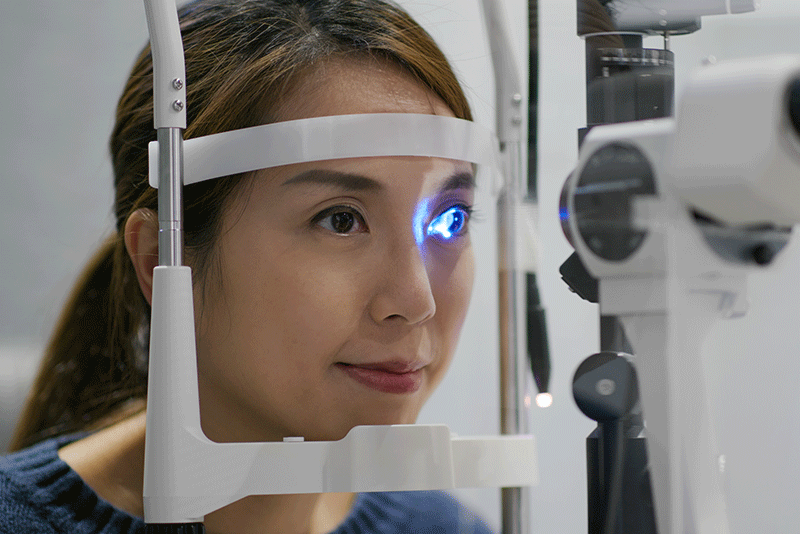
A comprehensive eye examination involves several tests designed to evaluate eye pressure,
optic nerve health and visual function. These tests are generally quick and painless. Your
ophthalmologist may measure intraocular pressure using specialised instruments. Imaging
tests can also assess the structure of the optic nerve to detect early damage. Another
common test is the visual field assessment, which evaluates how well you see objects at the
edges of your vision. Even small changes in peripheral vision can provide important clues.
Managing Glaucoma
Although glaucoma cannot currently be cured, it can often be managed effectively when
detected early. Treatment focuses on reducing eye pressure and preventing further optic
nerve damage.
Depending on your condition, treatment options may include:
- Prescription eye drops to lower eye pressure
- Oral medications in certain cases
- Laser procedures that improve fluid drainage
- Surgery to create new drainage pathways
Your ophthalmologist will recommend an approach tailored to your individual needs. With proper management, many people with glaucoma are able to maintain useful vision throughout their lives.
Protect Your Sight Before It Slips Away
Glaucoma may develop quietly, but awareness and early action can make a meaningful
difference. By taking small but proactive steps today, you give yourself the best chance of
preserving your vision for the years ahead.
At Eye & Retina Surgeons, a specialist eye practice uniting 13 of Singapore’s experienced
ophthalmologists, your eye health is our priority. Our team is here to guide you every step
of the way, providing expert care and personalised advice so you can protect your vision
with confidence. Schedule an appointment today and take the first step towards keeping your
sight healthy for years to come.