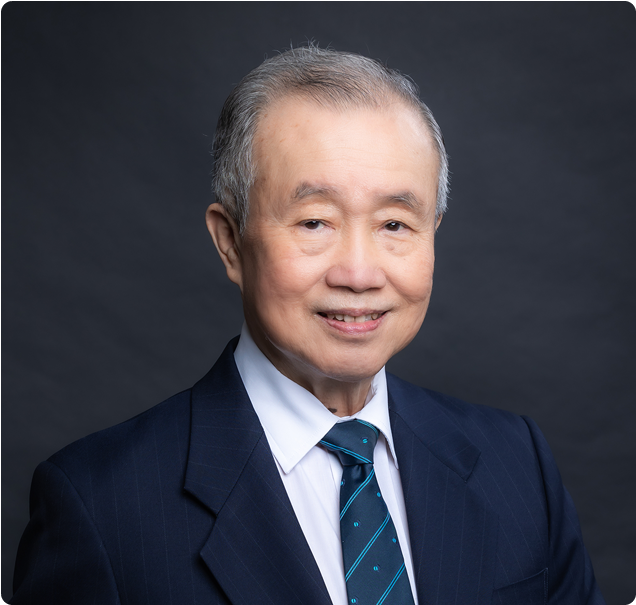
Dr Ang Beng Chong
Ophthalmologist
Founding Partner and Senior Consultant
MBBS(S'pore), FRACS, FRCS(Edin), FAMS
When people think about eye care, they often associate it with vision correction, cataracts
or general eye health. However, there is another highly specialised field that focuses on
the structures surrounding the eyes, including the eyelids, tear ducts and orbit. This field
is known as oculoplastic surgery.
Oculoplastic surgery is a subspecialty that combines ophthalmology with reconstructive and
cosmetic surgical techniques to diagnose and treat conditions affecting the eye area. These
conditions may impact not only appearance but also vision, comfort and eye function.
Understanding what oculoplastic surgery involves and the conditions it treats can help
patients seek appropriate care earlier, particularly when symptoms begin interfering with
daily activities or eye health.
What Is Oculoplastic Surgery?
Oculoplastic surgery, also known as ophthalmic plastic and reconstructive surgery, is a
specialised branch of ophthalmology that focuses on the structures surrounding the eyes.
This includes the eyelids, tear drainage system, eye socket (orbit) and nearby facial areas.
An oculoplastic surgeon is an eye specialist who has undergone additional training to manage
both functional and cosmetic concerns affecting the eye region.
Oculoplastic surgery can address a wide range of conditions, from drooping eyelids and
blocked tear ducts to orbital disorders, eyelid tumours and injuries around the eyes. Some
procedures are performed to improve vision or relieve discomfort, while others may enhance
the appearance of the eyes and surrounding facial features. Because the eyes are delicate
and closely connected to both vision and facial expression, oculoplastic surgery requires a
detailed understanding of eye health, facial anatomy and surgical precision.
Common Conditions Treated by Oculoplastic Surgery
Oculoplastic surgery can address a wide range of functional, medical and reconstructive concerns affecting the eye area. Below are some of the more common conditions that may be assessed and treated by an oculoplastic specialist.
Droopy Eyelids (Ptosis)
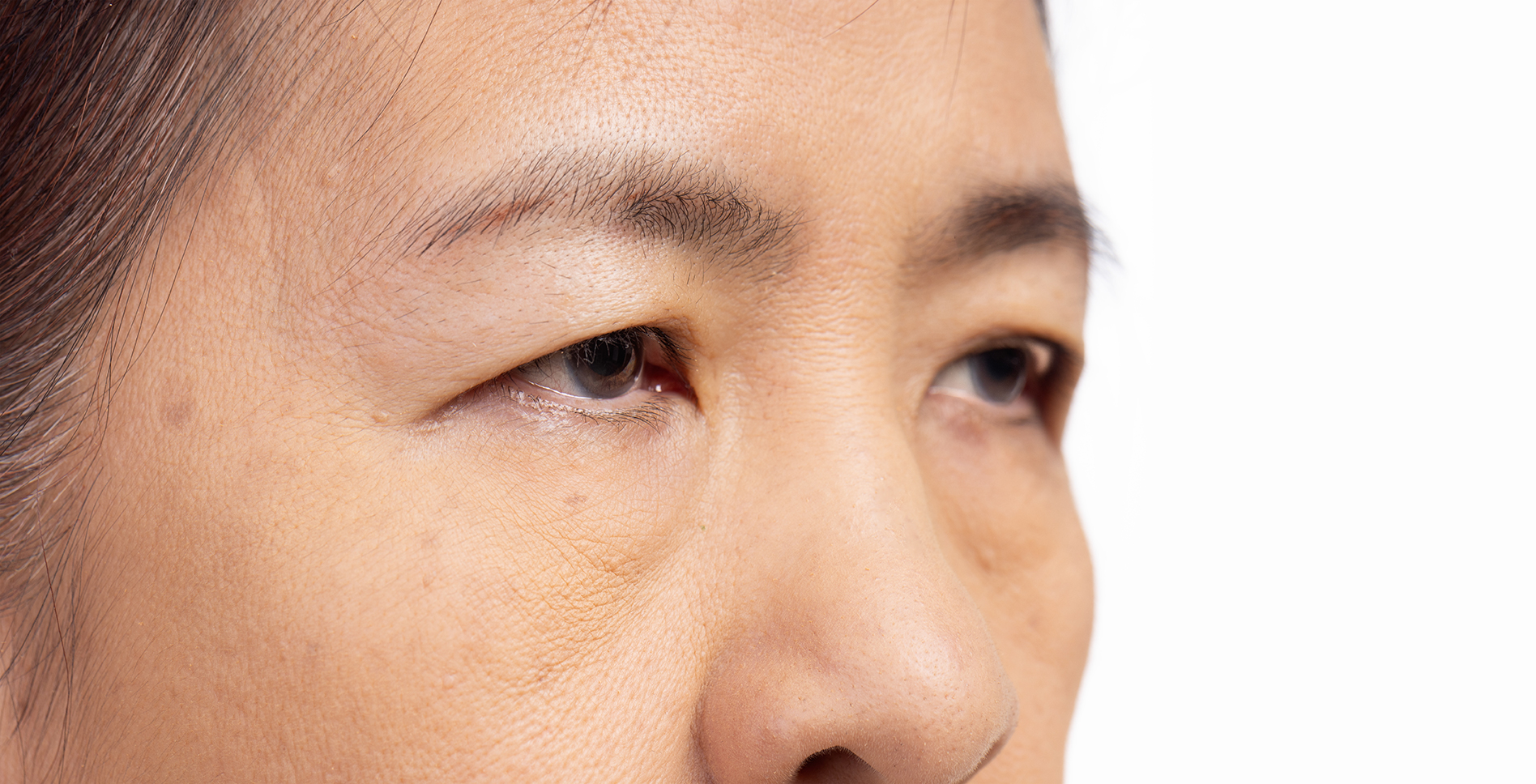
Ptosis refers to a drooping upper eyelid that may partially block vision. It can develop due
to ageing, muscle weakness, nerve conditions or previous eye surgery. Some individuals may
notice eye fatigue, difficulty keeping their eyes open or the need to raise their brows
constantly to see more clearly. In more severe cases, vision may be affected. Oculoplastic
surgery can help tighten or reposition the eyelid muscles to improve eyelid function and
restore a clearer field of vision.
Dermatochalasis and Blepharoplasty
Dermatochalasis refers to excess or sagging eyelid skin, usually affecting the upper eyelids
as part of the ageing process. In some individuals, the excess skin may create a heavy
sensation around the eyes or obstruct part of the visual field.
Blepharoplasty is a surgical procedure commonly performed to remove or reposition excess
skin and tissue around the eyelids. Besides improving appearance, the procedure may also
help reduce eyelid heaviness and improve daily comfort.
Entropion (In-Turned Eyelid)
Entropion occurs when the eyelid turns inward, causing the eyelashes and skin to rub against
the surface of the eye. This may lead to irritation, redness, tearing and discomfort. If
left untreated, ongoing friction may damage the cornea and affect eye health. In many cases,
eyelid surgery is recommended to restore the eyelid to a more natural position, helping to
protect the eye surface from further irritation and improve overall comfort.
Epiblepharon
Epiblepharon is a condition where an extra fold of skin and muscle causes the eyelashes to
turn inward against the eye. It is more commonly seen in children and may affect one or both
eyes. Some children may outgrow mild cases naturally, while more significant cases can cause
irritation, tearing and sensitivity to light. In situations where the eyelashes are
persistently rubbing against the eye surface, surgery may be recommended to prevent corneal
damage and improve comfort.
Tearing From a Blocked Tear Duct
Persistent watery eyes may occur when the tear drainage system becomes blocked. This may
increase the risk of recurrent eye infections or inflammation. Blocked tear ducts can
develop due to ageing, infection, injury or congenital conditions. Depending on the severity
and location of the blockage, treatment may involve minimally invasive procedures or surgery
to restore proper tear drainage.
Thyroid Eye Disease
Thyroid eye disease is an autoimmune condition that causes inflammation and swelling around
the eyes. Symptoms may include bulging eyes, eyelid retraction, double vision and eye
discomfort. In more advanced cases, vision may also be affected due to pressure on the optic
nerve. Oculoplastic surgeons often work closely with endocrinologists and other eye
specialists to manage the condition. Surgical treatment may help improve eye comfort,
appearance and function.
Socket Reconstruction
In situations where an eye has been lost due to trauma, disease or severe infection, socket
reconstruction may be recommended to restore the structure and function of the eye socket.
The goal of treatment is to create a stable and comfortable foundation that can support an
ocular prosthesis.
Oculoplastic surgeons use specialised reconstructive techniques to improve socket stability,
comfort and facial symmetry. Treatment is carefully tailored according to the extent of
tissue loss and each patient’s individual needs, helping to support both function and
overall quality of life.
Functional and Cosmetic Benefits of Oculoplastic Surgery
Although many oculoplastic procedures improve appearance, they are often performed to support eye health and function as well. Potential benefits may include:
- Improved vision affected by droopy or heavy eyelids
- Reduced eye strain and discomfort during daily activities
- Better protection of the eye surface from irritation or exposure
- Improved tear drainage and reduced risk of recurrent infections
- Restoration of facial balance and symmetry following trauma or surgery
- More natural eyelid positioning and eye movement
- Enhanced confidence and overall quality of life
Taking the Next Step Towards Better Eye Comfort and Function
Conditions affecting the eyelids, tear ducts and surrounding eye structures can sometimes
develop gradually, making them easy to overlook in the early stages. However, persistent
irritation, excessive tearing or discomfort around the eyes may affect not only appearance
but also vision, eye protection and overall quality of life.
At Eye & Retina Surgeons, an eye specialist clinic in Singapore, care is led by Dr Ang Beng Chong alongside a team of experienced eye specialists. The clinic manages a wide range of
oculoplastic and ophthalmic conditions, providing detailed assessment and personalised
treatment plans tailored to each patient’s needs. If you are experiencing ongoing eyelid
concerns, watery eyes or changes affecting the eye area, schedule a consultation for a
clearer understanding of your condition and the appropriate treatment options available.