Dr Ang Beng Chong
Ophthalmologist
Founding Partner and Senior Consultant
MBBS(S'pore), FRACS, FRCS(Edin), FAMS
In Singapore, approximately three per cent of people over the age of 50 have glaucoma. Yet
because some forms of glaucoma can develop gradually without noticeable symptoms, you may
not realise that changes are occurring until your vision has already been affected.
Glaucoma is a group of eye conditions that can damage the optic nerve, which carries visual
information from the eye to the brain. As vision loss caused by glaucoma is generally
irreversible, identifying the condition early can allow treatment to begin before more
vision is affected. This makes it important to understand your personal risk factors and
when to have your eyes checked.
Who Is at Higher Risk of Developing Glaucoma?
Glaucoma can affect people of different ages and backgrounds, although certain factors are
associated with a higher risk. Having one or more risk factors does not necessarily mean you
will develop glaucoma, but it may influence how your eye health is monitored.
Older Age
The risk of developing glaucoma generally increases with age. Changes within the eye
over time can make glaucoma and other eye conditions more likely, which is one reason
regular eye examinations become increasingly relevant as you get older.
Family History of Glaucoma
Having a close family member with glaucoma may increase your risk of developing the
condition. This can be particularly relevant if a parent or sibling has been diagnosed
with glaucoma. If glaucoma runs in your family, tell your eye doctor even if you
currently have no problems with your vision.
High Eye Pressure
Pressure inside the eye is known as intraocular pressure (IOP). Elevated IOP is an
important risk factor for glaucoma because increased pressure can contribute to optic
nerve damage in some people.
However, high eye pressure does not automatically mean that you have glaucoma. Some
people have elevated eye pressure without developing optic nerve damage, while others
may develop glaucoma despite having eye pressure measurements within the usual range.
Previous Eye Injuries or Surgery
A significant injury to the eye can sometimes affect structures involved in controlling
eye pressure, potentially contributing to glaucoma later in life. If you have previously
experienced eye trauma or undergone eye surgery, mention this during your eye
examination even if the event occurred many years ago.
Long-Term Steroid Use
Using corticosteroids over an extended period can increase eye pressure in some people.
The effect can vary depending on factors such as how the steroid is administered, how
long it is used and the individual's susceptibility.
Why Is Early Detection of Glaucoma Important?
One of the challenges with glaucoma is that some common forms can develop gradually. Changes
to peripheral vision may initially be difficult to notice because the other eye or
unaffected areas of vision can compensate.
By the time noticeable vision changes occur, glaucoma may already have caused damage to the
optic nerve. Vision that has already been lost due to glaucoma generally cannot be restored.
Early detection can help identify glaucoma before substantial vision loss develops. If
glaucoma is detected, an ophthalmologist can assess its severity and recommend treatment to
help reduce the risk of further optic nerve damage.
Regular eye examinations can also identify people who do not currently have glaucoma but
have findings that may warrant closer monitoring, such as elevated eye pressure or changes
in the appearance of the optic nerve.
When Should You Start Glaucoma Screening?
Adults are generally advised to have a baseline eye screening from the age of 40. This can
help identify changes that may not yet be causing noticeable symptoms and provide a baseline
for future eye examinations.
However, when glaucoma screening should begin also depends on your individual risk. If you
have a family history of glaucoma, elevated eye pressure or other factors that place you at
higher risk, your eye doctor may recommend earlier or more frequent examinations.
The timing of subsequent screenings can then be guided by your eye health and any findings
that need to be monitored.
What Happens During a Glaucoma Screening?
Glaucoma cannot usually be assessed using a single test. A comprehensive glaucoma
examination may involve several tests that look at different aspects of your eye health.
The tests recommended will depend on your individual risk factors and findings during the
examination.
Eye Pressure Measurement
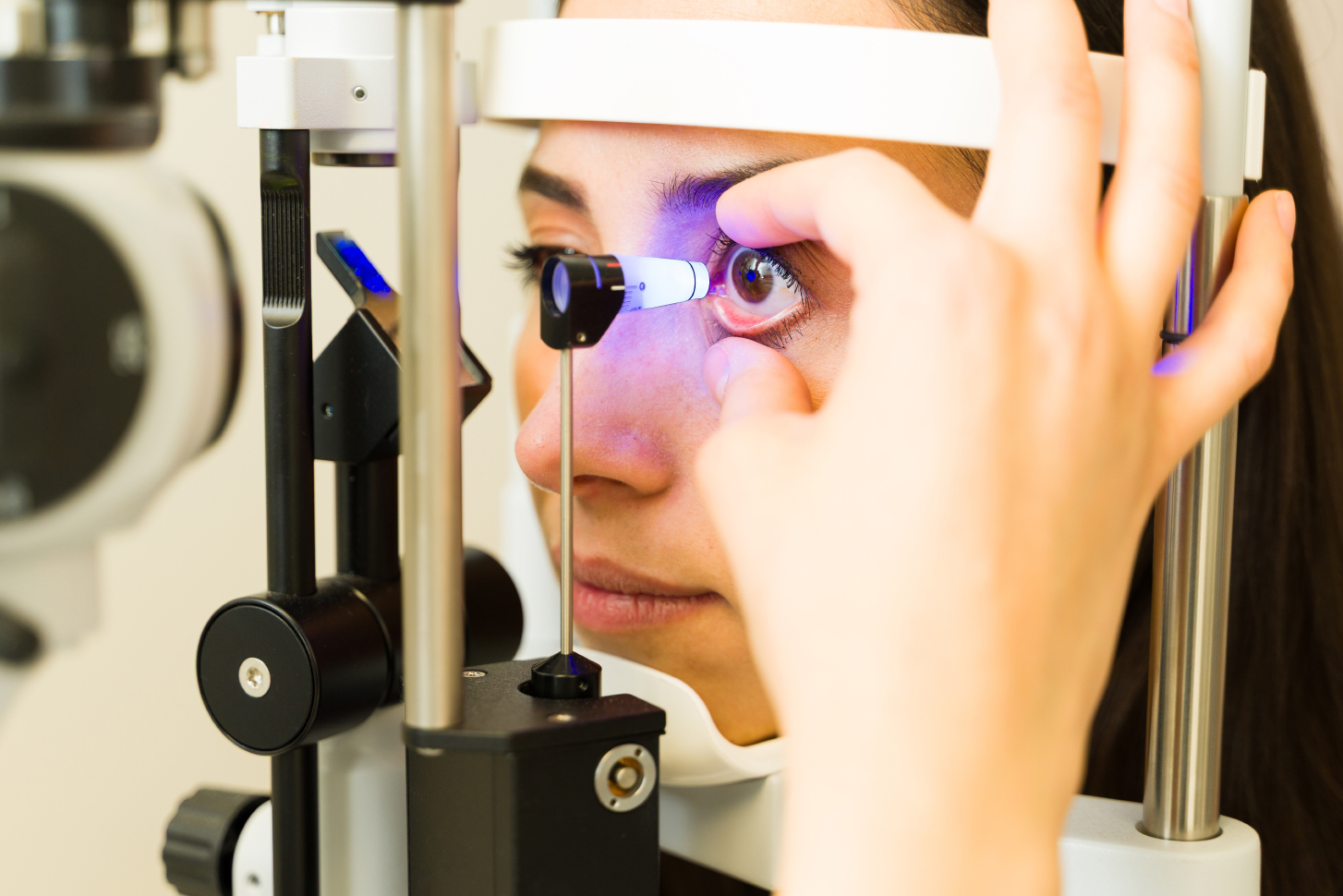
Tonometry measures the pressure inside your eye. Depending on the method used, the test
may involve a small instrument or a puff of air.
While elevated eye pressure is an important glaucoma risk factor, the result needs to be
considered alongside other findings. A normal eye pressure reading does not necessarily
rule out glaucoma, while a high reading does not by itself confirm the condition.
Optic Nerve Examination
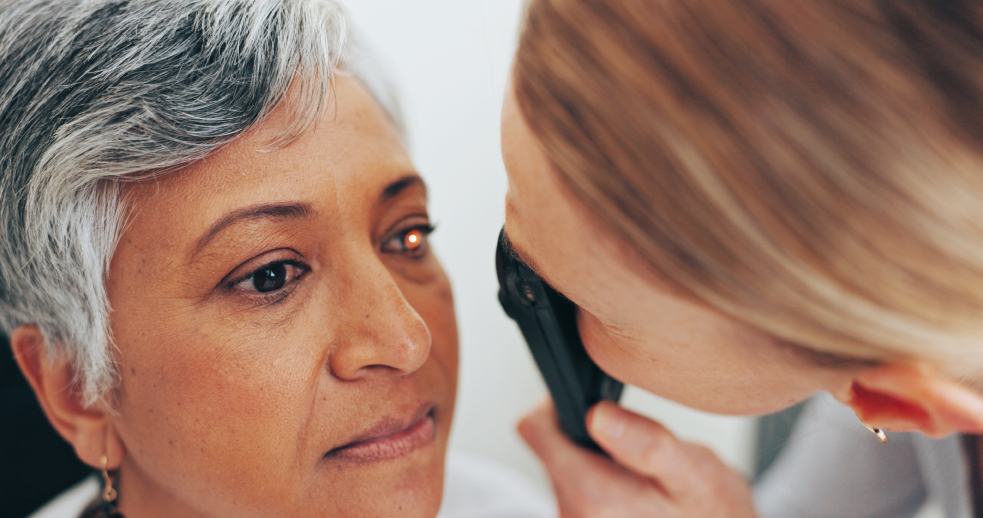
Your eye doctor may examine the optic nerve at the back of the eye for changes that
could be associated with glaucoma. The appearance of the optic nerve can provide
information about whether glaucoma-related damage may be present and whether further
testing or monitoring is needed.
Visual Field Testing
Visual field testing assesses how well you can see across different areas of your
vision, including your peripheral vision.
During the test, you may be asked to respond whenever you see small points of light. The
results can help identify patterns of vision loss that may be associated with glaucoma
and can also be compared with future tests to monitor changes.
Optical Coherence Tomography
Optical coherence tomography (OCT) is a non-invasive imaging test that produces detailed
images of structures at the back of the eye.
It can be used to assess areas such as the optic nerve and retinal nerve fibre layer.
These measurements may help an eye doctor identify structural changes and monitor them
over time.
Understand Your Glaucoma Risk With Eye & Retina Surgeons
Because early glaucoma may develop without noticeable symptoms, relying on changes in vision
alone may not reveal what is happening inside the eye. Regular eye assessments can help
identify signs of glaucoma that may not yet be affecting your vision.
At Eye & Retina Surgeons, our doctors can assess your individual risk of glaucoma and advise
whether screening or ongoing monitoring may be appropriate for you.
If you are concerned about glaucoma or would like to better understand your risk, schedule an appointment with us for an
eye assessment and advice on an appropriate screening schedule.
FAQs About Glaucoma Screening
Most tests commonly used to assess glaucoma are non-invasive and should not cause
significant pain. Depending on the examination, your eye doctor may use eye
drops before certain tests. You may experience brief discomfort or temporary
blurred vision with some procedures, and your eye doctor can explain what to
expect beforehand.
An abnormal screening result does not necessarily mean that you have glaucoma.
Your eye doctor may recommend repeating a test, performing additional
examinations or monitoring your eyes over time. These findings can then be
considered together to determine whether glaucoma is present and what follow-up
may be needed.
An optometrist may identify findings that could be associated with glaucoma
during an eye examination, such as elevated eye pressure or changes in the
appearance of the optic nerve. If further investigation is needed, you may be
referred to an ophthalmologist for additional assessment, diagnosis and
management.
Glaucoma cannot usually be reversed, and any vision already lost is generally
permanent. However, detecting it early can allow treatment to begin before
significant vision loss occurs. Treatment aims to slow or prevent further damage
and preserve remaining vision for as long as possible.
Most glaucoma assessments require little preparation. However, some examinations
may involve dilating your pupils, which can temporarily cause blurred vision or
sensitivity to light. Your eye clinic can advise you beforehand if there are any
specific preparations to make.