Dr Ang Beng Chong
Ophthalmologist
Founding Partner and Senior Consultant
MBBS(S'pore), FRACS, FRCS(Edin), FAMS
Many people only think about their eyesight when they notice blurred vision or discomfort.
However, protecting your eyes involves much more than correcting vision problems after they
arise. Simple everyday habits, regular eye examinations and preventive care can all play an
important role in maintaining healthy vision throughout life.
Whether you spend hours working on digital devices, enjoy outdoor activities or simply want
to reduce your risk of age-related eye conditions, there are practical steps you can take.
An eye specialist can also detect early signs of many eye diseases before symptoms become
noticeable, allowing timely management when needed.
Why Does Preventive Eye Care Matter?
Good vision is often taken for granted until problems develop. However, several common eye
conditions progress gradually and may not cause noticeable symptoms during their early stages.
Conditions such as glaucoma and diabetic eye disease can develop silently, meaning
vision may already be affected by the time symptoms become obvious.
Regular preventive eye care focuses on detecting potential concerns before they affect your
daily life. During a comprehensive examination, your ophthalmologist assesses more than
just your eyesight. The consultation may include an evaluation of the retina, optic nerve,
cornea and lens while screening for conditions such as glaucoma, cataracts, diabetic eye
disease and age-related macular degeneration.
Preventive eye care is particularly important for individuals who:
- Are aged 40 years and above
- Have diabetes or high blood pressure
- Have a family history of glaucoma or inherited eye diseases
- Are highly myopic
- Wear contact lenses regularly
- Spend prolonged hours using computers or digital devices
Regular reviews at an eye specialist clinic also allow your ophthalmologist to monitor subtle
changes over time, making it easier to recommend appropriate management if necessary. Even
if your vision feels normal, routine eye examinations remain an important part of protecting
your long-term eye health.
Which Everyday Habits Support Better Eye Health?
Many lifestyle choices influence long-term eye health. While no single habit can prevent all
eye diseases, adopting healthy practices can reduce unnecessary strain and support overall
eye function.
Protect Your Eyes from Ultraviolet (UV) Exposure
Long-term exposure to ultraviolet radiation has been associated with cataracts and certain
eye surface conditions. When spending time outdoors, wear sunglasses that block 99% to
100% of UVA and UVB rays. A wide-brimmed hat can provide additional protection by
reducing direct sunlight reaching the eyes.
Eat a Diet That Supports Eye Health
Your eyes benefit from many of the same nutrients that support overall health. A balanced
diet containing leafy green vegetables, colourful fruits, oily fish, nuts and whole grains
provides vitamins, antioxidants and omega-3 fatty acids that support normal eye function
and overall eye health.
Staying well hydrated also supports tear production, helping reduce dryness and irritation.
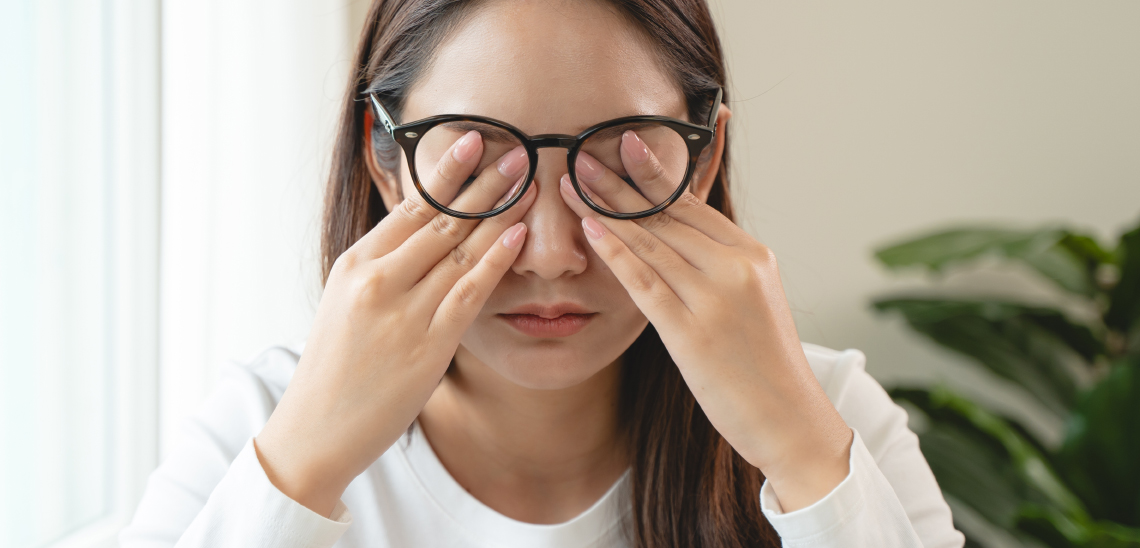
Avoid Rubbing Your Eyes
Although rubbing your eyes may provide temporary relief from itchiness or irritation, it can
introduce bacteria, worsen allergies and, in some cases, damage the surface of the eye.
Frequent eye rubbing may also contribute to corneal problems in susceptible individuals.
If your eyes feel persistently itchy, dry or uncomfortable, it is better to identify and
manage the underlying cause rather than rubbing them repeatedly.
Practise Good Contact Lens Hygiene
Improper contact lens care increases the risk of eye infections, which may lead to serious
complications if left untreated.
Always:
- Wash your hands before handling lenses.
- Clean and store lenses according to your eye specialist's recommendations.
- Replace lenses and storage cases as advised.
- Avoid sleeping or swimming while wearing contact lenses unless specifically approved.
Manage Your Overall Health
Many systemic conditions affect the eyes. Keeping diabetes, blood pressure and cholesterol
under control may help reduce the risk of vision-threatening complications. Regular exercise,
adequate sleep and avoiding smoking also contribute to healthier blood vessels that support
the eyes.
How Can You Reduce Digital Eye Strain?
Spending long hours on digital devices is now part of everyday life for many people. Although
screens do not permanently damage the eyes, prolonged use can reduce blinking and place
continuous demand on the eye's focusing muscles, leading to digital eye strain.
Common symptoms include:
- Tired eyes
- Dryness or irritation
- Blurred vision after prolonged screen use
- Headaches
- Difficulty refocusing when looking away from the screen
Fortunately, several practical adjustments can reduce these symptoms.
Follow the 20-20-20 Rule
Every 20 minutes, look at an object approximately 6 metres away for at least 20 seconds.
This simple habit allows the focusing muscles inside the eyes to relax periodically during
extended screen use.
Optimise Your Workstation
Position your monitor approximately an arm's length away with the top of the screen
slightly below eye level. This encourages a comfortable viewing angle and may reduce eye
fatigue.
Reducing glare from overhead lighting or nearby windows can also improve visual comfort.
Blink More Frequently
People naturally blink less often while concentrating on screens. Less frequent blinking
allows tears to evaporate more quickly, contributing to dry eyes.
Making a conscious effort to blink fully throughout the day helps keep the surface of the
eye lubricated. In some cases, lubricating eye drops recommended by an eye specialist may
also provide relief.
Take Regular Screen Breaks
Whenever possible, alternate screen-based tasks with activities that do not require
prolonged close focus. Short breaks throughout the day reduce continuous visual demand and
help minimise eye fatigue.
When Should You Visit an Eye Specialist Clinic in Singapore?
While preventive care is valuable for everyone, certain symptoms should never be ignored
because they may indicate an underlying eye condition requiring prompt assessment.
Seek prompt assessment by an ophthalmologist if you experience:
- Sudden vision loss
- Flashes of light or a sudden increase in floaters
- Persistent blurred vision
- Eye pain
- Redness that does not improve
- Double vision
- Increasing sensitivity to light
- Frequent headaches associated with visual changes
You should also consider routine eye examinations even without symptoms if you have risk
factors such as diabetes, glaucoma in the family, high myopia or advancing age.
During your consultation, your ophthalmologist will discuss your medical history, lifestyle
and visual needs before performing appropriate examinations. Depending on the findings,
specialised imaging or additional tests may be recommended to evaluate different parts of the
eye in greater detail.
Early assessment may allow treatment to begin sooner where appropriate and may help preserve
long-term vision.
Protect Your Vision with Eye & Retina Surgeons
Looking after your eyes is not about making one major change—it is about building consistent
habits over time. Protecting your eyes from UV exposure, managing screen time, maintaining
your overall health and attending regular eye examinations all contribute to long-term eye
health. Because many eye conditions develop without noticeable symptoms, preventive care
plays an important role in detecting potential eye conditions early.
At Eye & Retina Surgeons, we are committed to helping patients maintain healthy vision
through comprehensive preventive care, accurate diagnosis and personalised treatment. Our
ophthalmologist, Dr Ang Beng Chong, provides thorough assessments tailored to each
patient's eye health, lifestyle and visual needs. Whether you are due for a routine eye
examination or would like an assessment for new symptoms, book an appointment with us today
and take the next step towards maintaining your long-term eye health.
FAQs About Protecting Your Eyes in Everyday Life
Eye exercises may help relieve symptoms of eye fatigue or improve focusing flexibility in certain situations, but they cannot correct refractive errors such as myopia or treat eye diseases like cataracts or glaucoma. If you notice persistent vision changes, an assessment by an eye specialist is recommended to determine the underlying cause.
Current evidence suggests that blue light from digital screens is unlikely to cause permanent eye damage. While some people find blue light glasses more comfortable during prolonged screen use, there is limited evidence that they prevent digital eye strain. Adjusting screen habits and your work environment is generally more effective.
Wearing an outdated or incorrect prescription does not permanently damage your eyes, but it can cause symptoms such as headaches, eye strain and blurred vision. If your vision no longer feels clear or comfortable with your current glasses, an eye examination can determine whether your prescription needs updating.